Sailing to Clarence Town, Bahamas – Adventures and Challenges on North Long Island
Sailing adventures are filled with excitement, challenges, and beautiful discoveries. Our recent journey from Galliot Cay to Clarence Town in the Bahamas on North Long Island was no exception. Although the weather and sea conditions tested our patience, the experience was one that truly captured the spirit of sailing life. In this blog draft, I will share our trip details, insights into anchoring techniques, local encounters, and essential tips for anyone planning to sail through this region.

Setting Sail from Galliot Cay
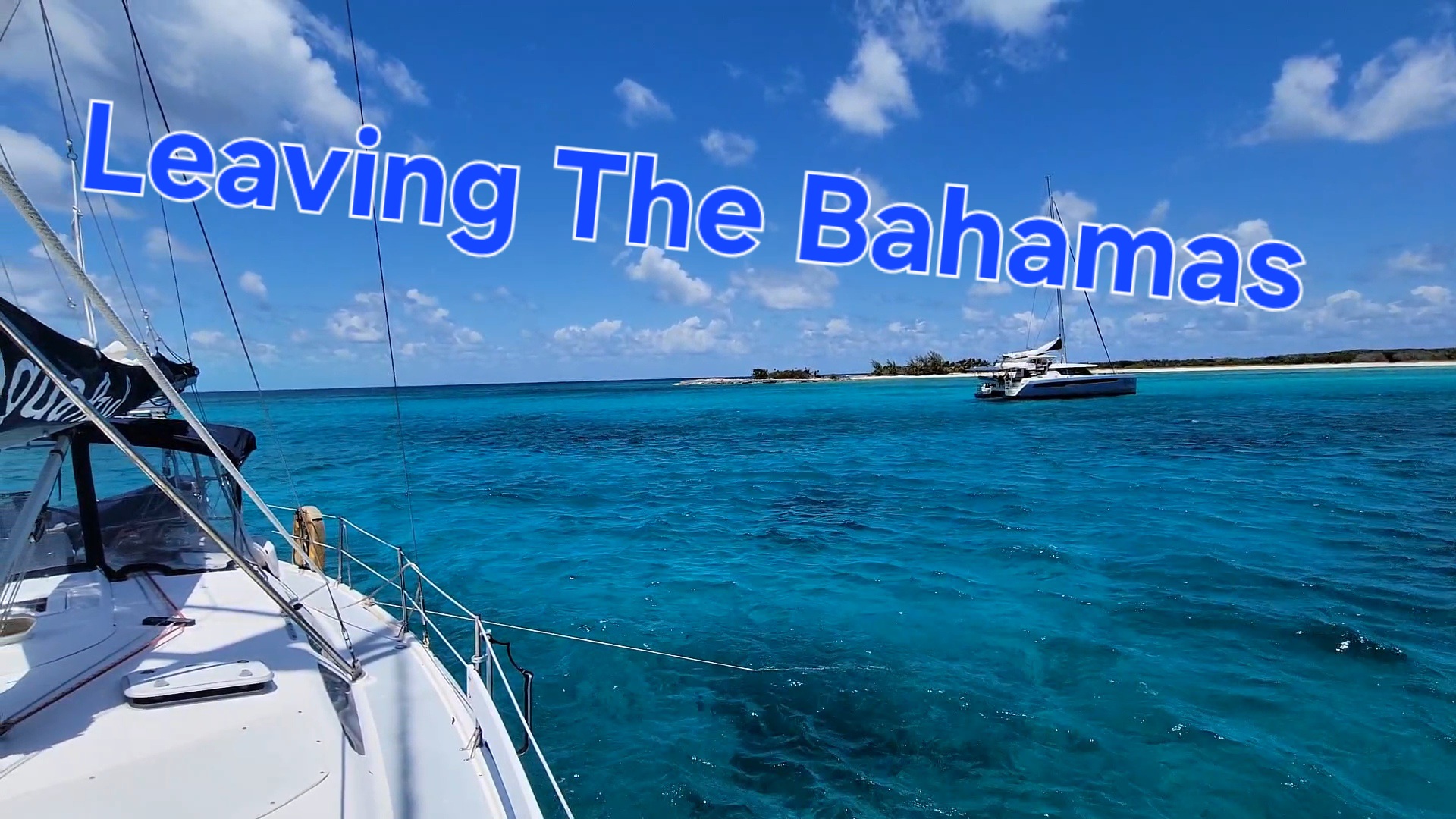
We left Galliot Cay aiming to sail to South Long Island, specifically Clarence Town, a small harbor known for its customs clearance. The day started with near calm conditions—we had almost no wind, which meant relying on the motor most of the way. Calm seas can be a blessing and a curse; while it made for a smooth ride initially, it also made the sailing less thrilling. My partner and I were hoping for a comfortable sail, avoiding the rocky waves that had us feeling seasick on previous days.
Weather and Sea Conditions
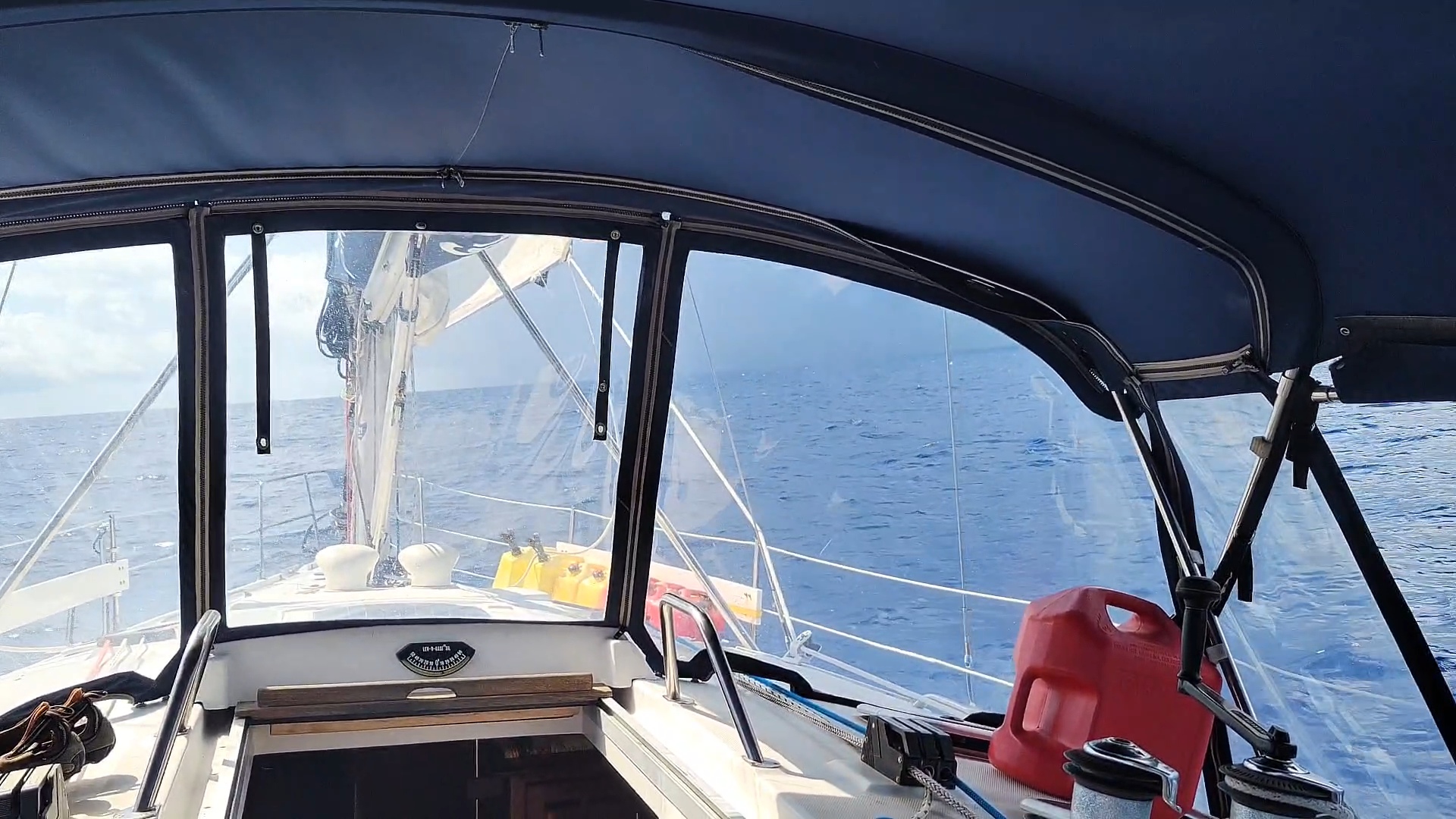
Unfortunately, the weather was unpredictable. Earlier, the seas were rolly around Galliot Cay, making the first day tough. Later on, the swell settled somewhat but never ceased completely. We faced sudden shifts in the wind direction, some light rain showers, and erratic waves that made motor sailing more demanding. Our boat’s instruments showed wind speeds fluctuating between 3 to 20 knots at times, forcing us to reef sails and motor sail simultaneously for safety and speed.
As we approached Clarence Town, reports of 30-knot gusts coming over the weekend made us decide it was best to anchor and wait out the weather. The local swell in the anchorage would cause the boat to rock, but it was safer and more comfortable than being caught out at sea during rough conditions.
Anchoring Challenges and Solutions
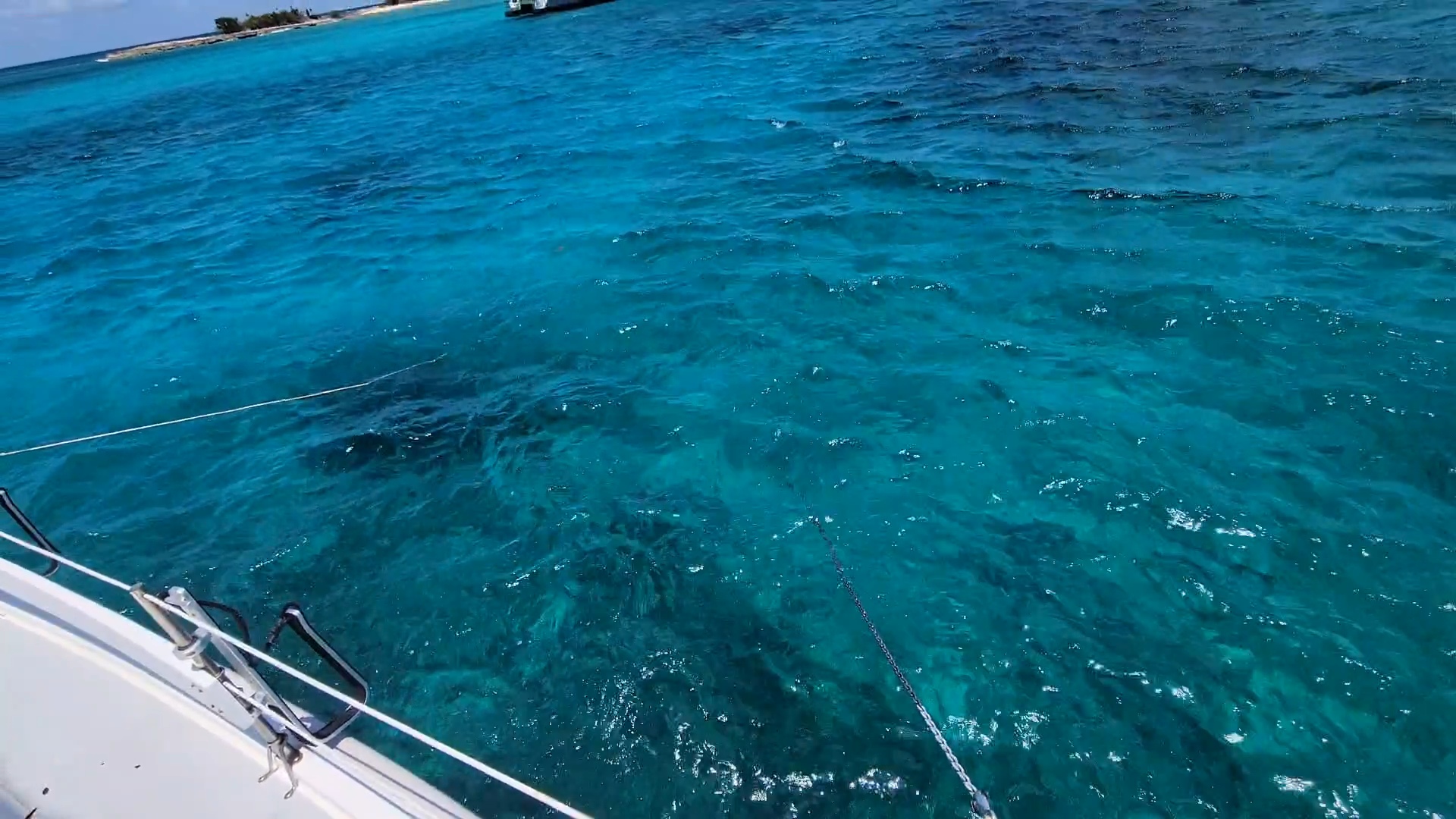
Anchor dragging is a common issue in areas with shifting winds and swell, and Clarence Town was no different. Initially, our anchor dragged in the deep water, prompting me to adjust our setup. I tied a rope from the anchor chain back to the stern cleat and used it to pull the boat around so the back of the boat faced into the swell. This technique helped stabilize the boat’s orientation and reduced rocking, making for a calmer resting place.
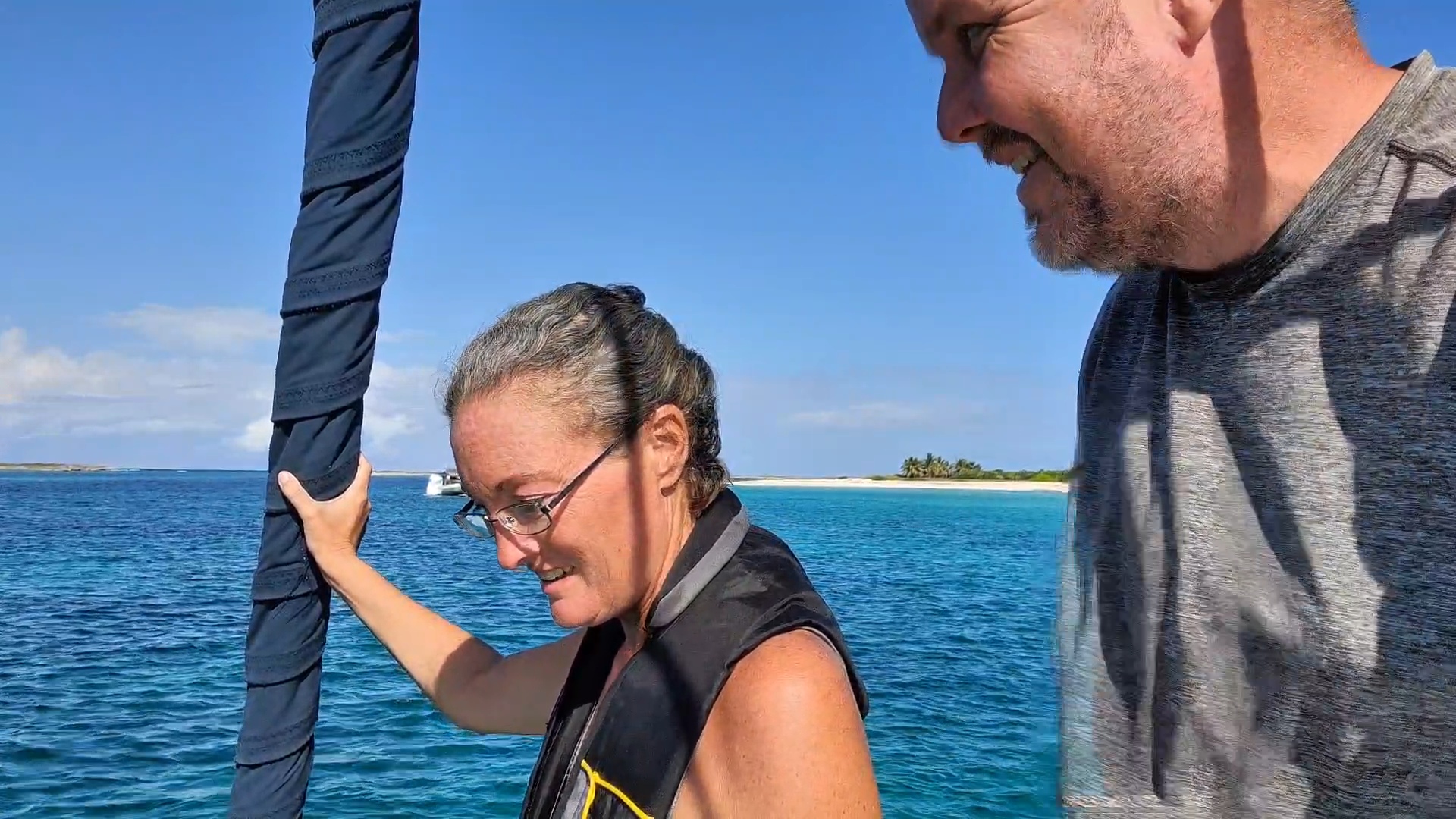
This approach requires careful management of chain length and tension, but it’s a great trick to know for sailors looking to improve comfort during anchor watches. I recommend having spare lines and sufficient chain to adapt to conditions like these.
Exploring Clarence Town and Surroundings
Clarence Town itself is a quaint spot with limited amenities. We met fellow boaters who helped us with local customs clearance and financial transactions since there are no ATMs on the island. The marina has basic facilities, including showers and a pool, but fuel prices are steep.
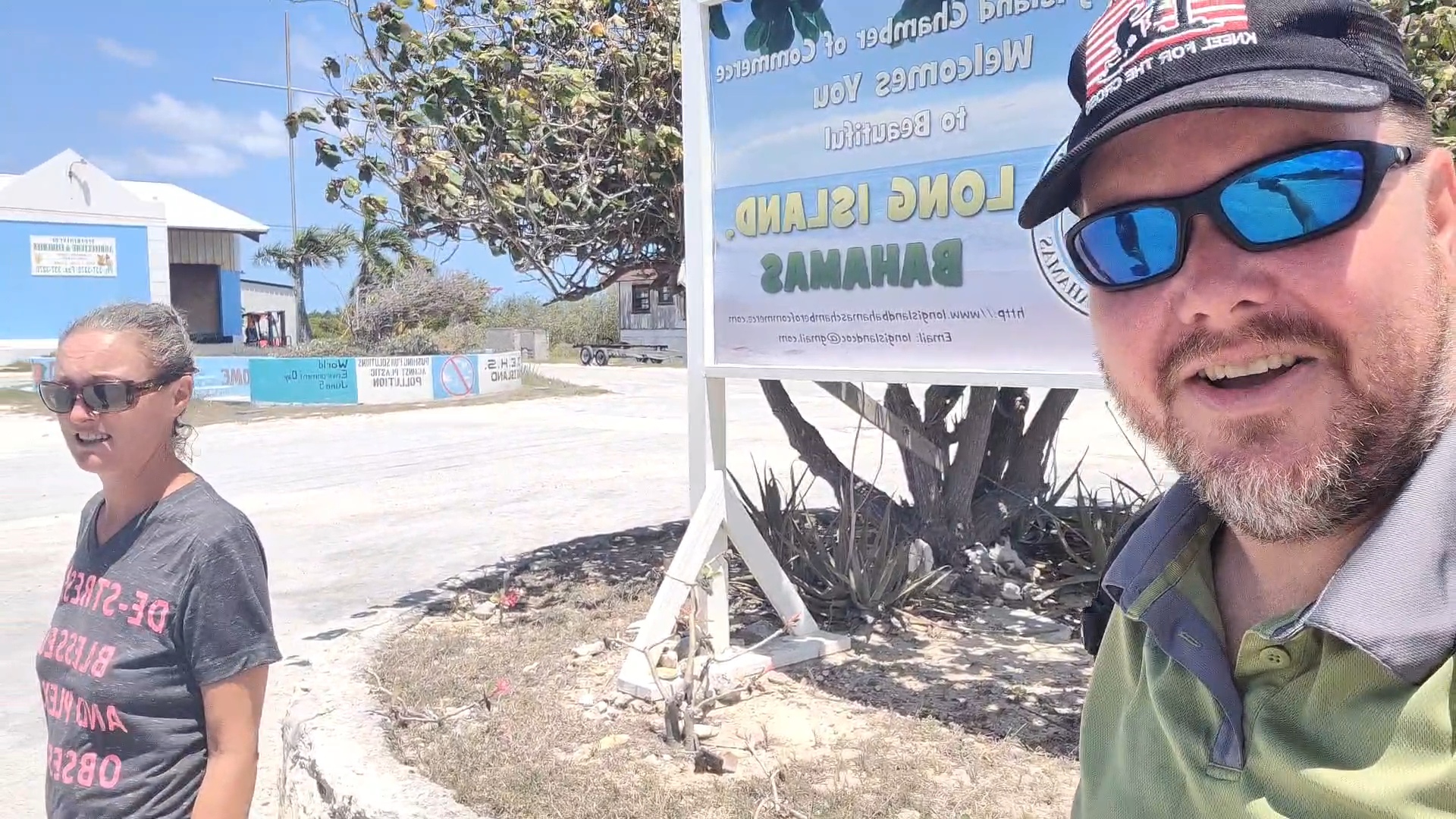
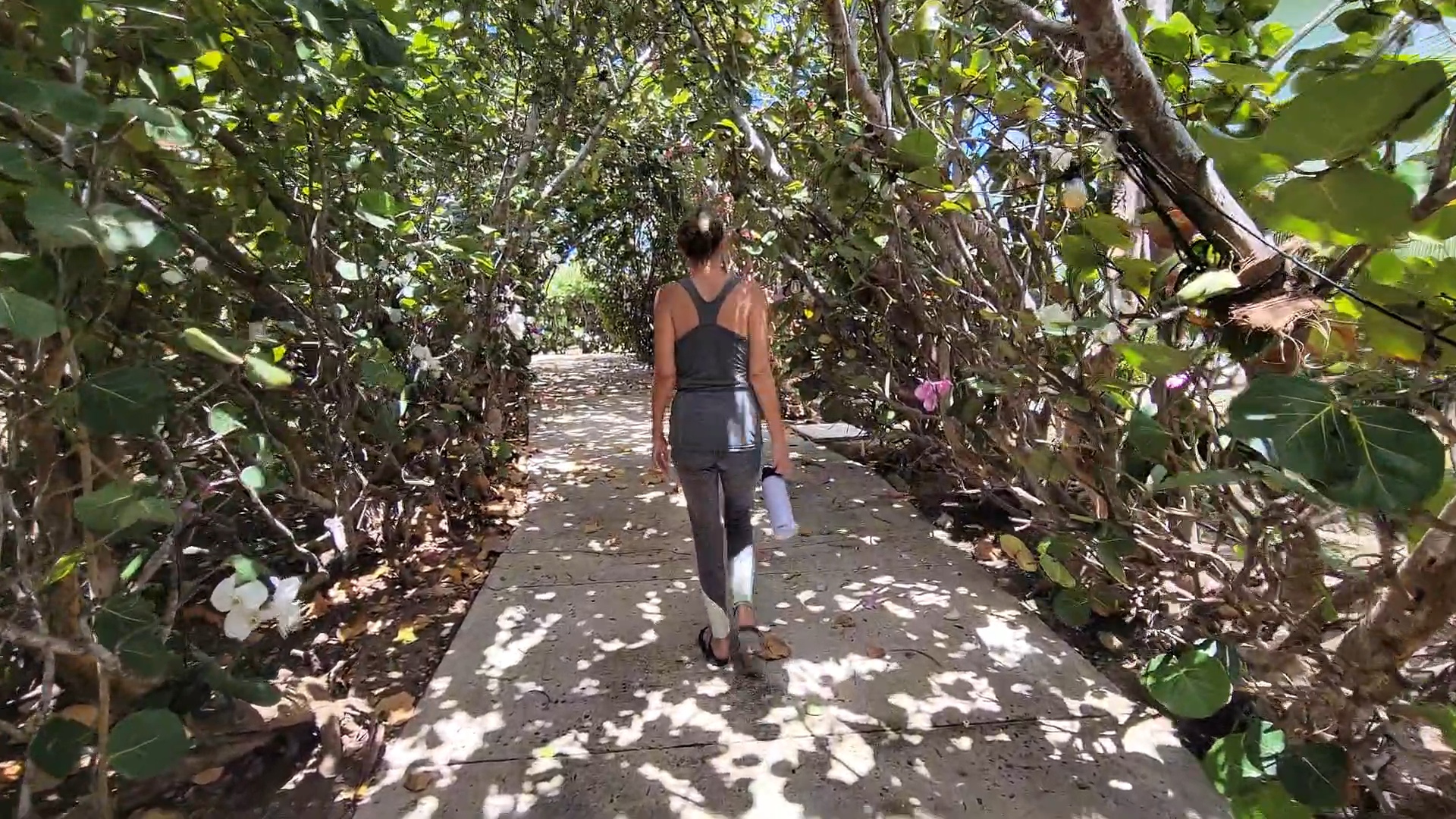
On land, we enjoyed a hike up the largest hill on Long Island, where we found a small bakery and a church with panoramic views. The local stores are sparse, and fresh produce is rare, so provisioning here requires advance planning. We also found a quiet beach perfect for relaxing, though it’s not officially marked as public.

Life Aboard and Meal Prep
Life on the boat requires adapting to limited storage and fresh food availability. We learned the hard way about using fresh vegetables before they spoil, making quick, simple meals like seasoned roast steak with rice and sautéed veggies—a reminder of why meal planning is essential on the water.

Final Thoughts and Sailing Tips
Our trip to Clarence Town highlights the unpredictability of island sailing, the importance of good anchoring techniques, and the joys of discovering remote communities. For sailors planning a similar journey:
- Check weather forecasts frequently and be ready to adjust plans.
- Learn to manage anchor set and boat orientation for comfort and safety.
- Prepare for limited services by provisioning in advance.
- Engage with the local boating community for support and tips.
We hope this glimpse into our journey encourages you to explore and make the most of your sailing adventures.
Ready to take your sailing adventure to the next level? Subscribe to our blog for weekly updates, tips, and stories from the sea, and join us as we explore the beautiful and challenging waters of the Caribbean!
Related Blog Posts
- Discover the Joys and Trials of Life on a Sailboat
- Basic Guide for Installing SeaWater Pro Water Maker
- Sailing Against the Storm: AC Repair & Hurricane Supplies
Get content early by becoming our YouTube member https://www.youtube.com/playlist?list=UUMOZBmn0CZW578hpt4ImB3CRA
Follow our boat on NOFOREIGNLAND: https://www.noforeignland.com/boat/5694391589011456
💲 Support us by shopping through our affiliate links! Amazon: https://amzn.to/351krTR
🎈 You Can Also Follow Us On:
- https://www.facebook.com/ChrisDoesWhat/
- https://www.instagram.com/chrisdoeswhat/
- https://www.instagram.com/dininginwithdanielle/
- https://www.pinterest.com/ChrisDanielleRedding/
💎 Have a Website? Increase Your Revenue With Ezoic: https://ezoic.com/?tap_a=6182-5778c2&tap_s=1472908-dc0848