Fixing the 4-Cylinder Oil Leak: Jeep 2.5L Valve Cover Gasket Install
If your Jeep 2.5L engine block looks like it’s been drizzled with “glaze” or “icing,” you don’t have a bakery—you have a Valve Cover Gasket failure. On our 1994 Wrangler, the leak had progressed to the point where oil was hitting the manifold and sending a constant burning smell straight into the cabin.
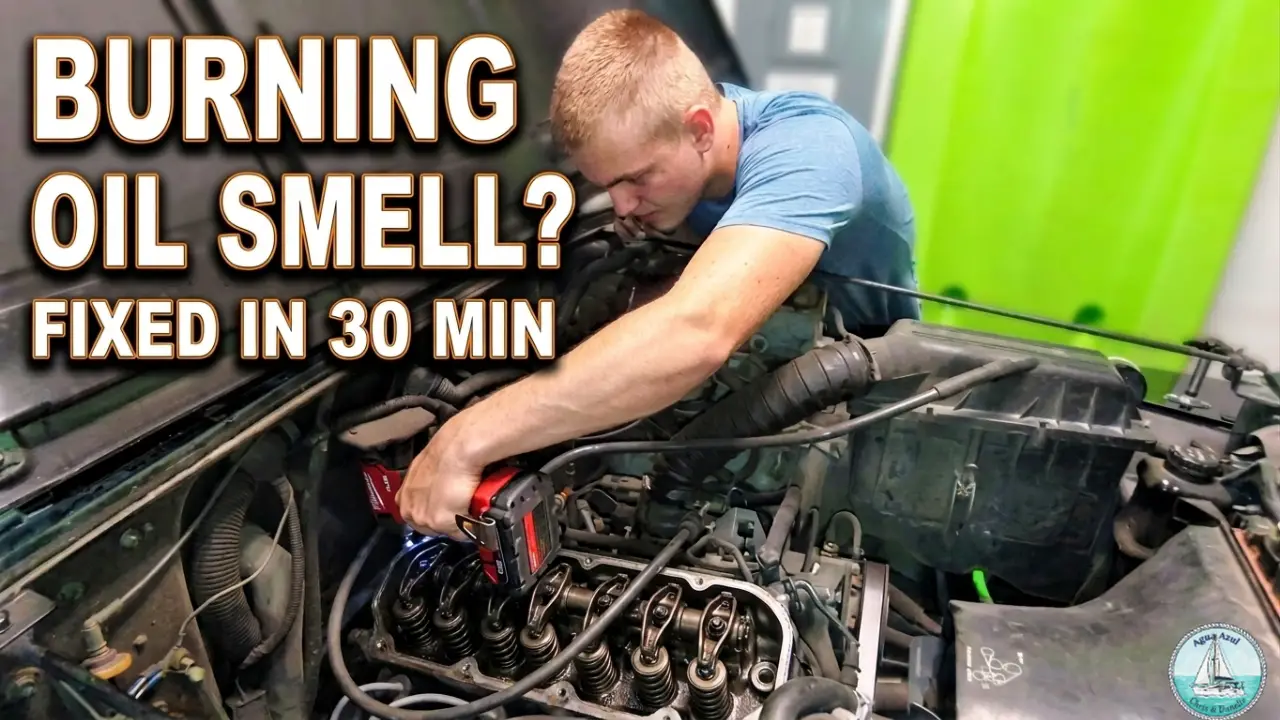
We performed a forensic teardown on this 4-cylinder setup to find the root cause. The old gasket wasn’t just leaking; it was physically broken in multiple points. This is a notorious failure point on high-mileage 2.5L AMC engines, especially at the rear of the head where heat soak is most aggressive. Here is the blunt truth about how we stopped the leak and saved our oil level.
Watch the Full Install: How To Change Jeep Valve Cover Gasket || Jeep Mods E28
Check Out the Parts Used: Jeep 2.5L Valve Cover Gasket Replacement (Verify your year/make)
The Forensic Teardown: Identifying the “Icing”
The first step was identifying why the Jeep smelled like a deep fryer every time we hit a stoplight. Looking at the side of the block, we saw a thick coating of oil residue—what Danielle calls “icing.” This “glaze” comes down from the top of the valve cover, coats the block, and eventually finds the hot exhaust manifold.
Removing the valve cover on a 2.5L requires moving a few obstacles. You have the PCV valve and various vacuum lines that are likely brittle from 30 years of engine heat. We took extreme care to remove these without snapping the plastic. Once the bolts were out, we had to pry the cover off, revealing the rockers and pushrods.
The Forensic Fix: Preparation is Everything
A common DIY mistake is just slapping a new gasket on a dirty head. If there is even a fragment of the old cork or rubber gasket left behind, the new seal will fail within a week.
We followed a strict technical process:
- Surface Cleaning: We ground down the mating surfaces on both the cylinder head and the valve cover until they were hospital-clean and free of any old RTV or gasket material.
- The “Gasket Maker” Hack: To prevent the gasket from slipping during the difficult re-install (the 2.5L bay is cramped near the firewall), we applied small “tacks” of silicone gasket maker only to the valve cover side.
- The Set-Up: We let the silicone set for 20 minutes before flipping the cover over. This ensures the gasket stays perfectly aligned over the rockers and doesn’t “roll” during the install.
The 2.5L Torque Sequence: The Star Pattern
When you’re dealing with an older Jeep head, you cannot just tighten the bolts in a circle. Doing so will warp the cover and create a new leak.
We used a Star Pattern torque sequence, starting from the center bolts and working our way out to the edges. This distributes the pressure evenly across the entire gasket surface. We started with finger-tightening only, then moved to a final snug with the Milwaukee impact on a low-torque setting to ensure a uniform seal.
Final Thoughts: The Verdict
We’ve been testing the Jeep for a week following the install. The results are forensic:
- Zero Leaks: The side of the block remains dry.
- No Smell: The burning oil aroma in the cabin is completely gone.
- Consistent Oil Level: We aren’t “adding oil” every other day just to keep the 2.5L happy.
If your 4-cylinder Wrangler is smelling like a grease fire, don’t ignore it. The Valve Cover Gasket is a cheap part, but the labor of cleaning the surfaces correctly is what makes the difference. Do it once, do it right, and get back on the trail.
Frequently Asked Questions
Q: Do I need to use RTV on the whole gasket?
A: No. Only use small dabs of gasket maker to hold the gasket to the cover during the install. Overusing RTV can cause pieces of silicone to break off and clog your oil passages.
Q: How do I remove the PCV valve without breaking it?
A: Twist it gently before pulling. If it feels stuck, use a small amount of penetrating oil to lubricate the rubber grommet. If it snaps, they are cheap to replace, so keep a spare on hand.
Q: Is the 2.5L gasket the same as the 4.0L?
A: No. They are shaped differently. Always verify your engine displacement before ordering parts.