Restoring an older boat like the Bayliner 175 is a constant balance between replacing parts and reviving what you already have. One of the most stubborn items on our list has been the white vinyl seats. They are structurally sound but have become incredibly porous over the years, acting like a magnet for Florida dirt and mold.
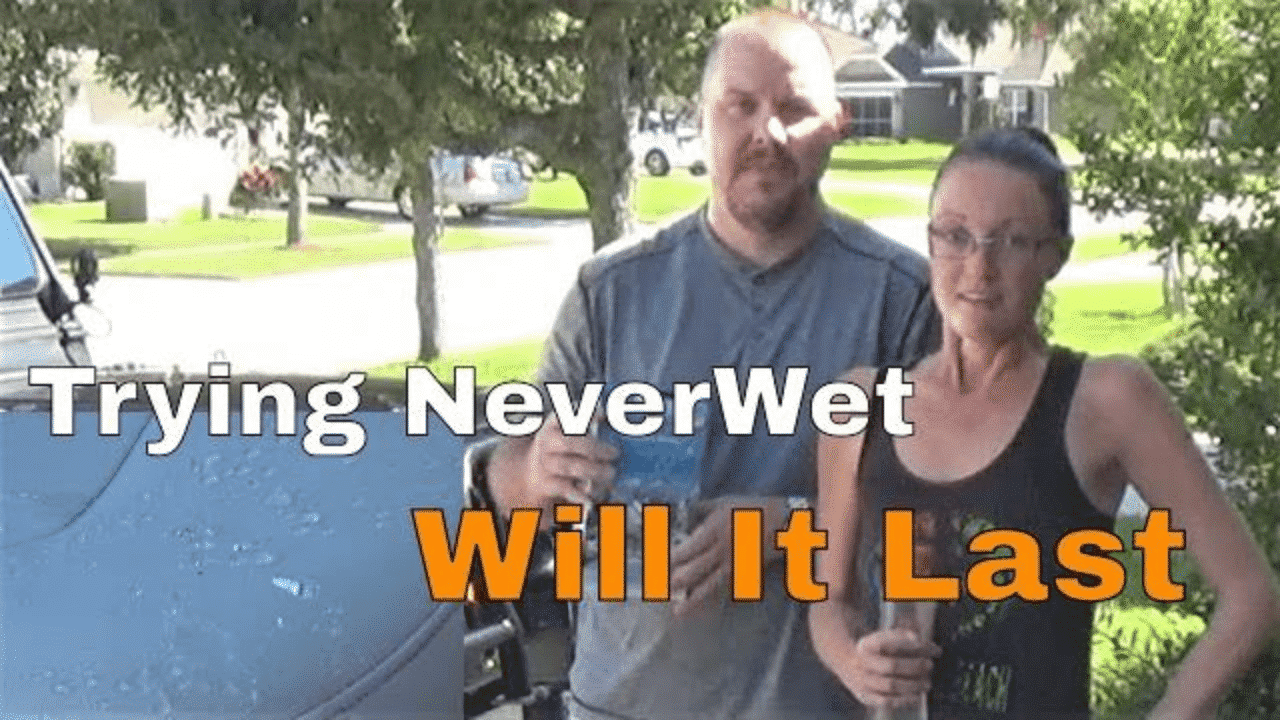
Replacing these seats is a major expense we’re trying to avoid, so we decided to test out Rust-Oleum NeverWet. This two-part system is designed to create a super-hydrophobic barrier that keeps surfaces dry and clean. Here is the technical breakdown of the application and the results of our water-beading test.
The Investigation: Dealing with Porous Vinyl
Vinyl seats on a bowrider are exposed to sun, salt, and rain. Over time, the protective topcoat of the vinyl wears away, leaving tiny “pores” that trap contaminants.
- The Goal: We need a coating that seals these pores, makes the surface easier to wipe down, and prevents moisture from soaking into the foam.
- The Product: NeverWet is a multi-surface treatment that works on metal, wood, concrete, vinyl, and leather.
- The Warning: This system contains mineral spirits, which are essentially unrefined paint thinners. Do not apply this to painted surfaces, as it will likely strip or damage the finish.
The Project: Applying the Two-Part System
The application is a multi-step process that requires patience and proper ventilation (break out the respirator).
- Step One (Base Coat): We applied two generous coats of the base. This acts as the primer and sealant. After an hour of drying, the seat felt a bit rough and sandy, which told us the pores were being filled.
- Step Two (Top Coat): We applied three thin coats of the topcoat. This is where the magic happens. This layer creates the super-hydrophobic tension that repels liquids.
- Pro Tip: Apply multiple thin coats rather than one heavy one to prevent runs and ensure even coverage.
- The Texture Change: Once cured, the seat doesn’t feel like standard vinyl anymore—it feels more like suede. Interestingly, this actually makes the seat non-slip. When I sat in it, I didn’t “scooch” or slide around like you typically do on slick vinyl.
The Logistics: Aesthetic Trade-offs
There is a slight aesthetic trade-off for this level of protection.
- Color Shift: The NeverWet does dull the color slightly. Our bright white seats are now a bit of a “matte” white.
- Reflectivity: In the Florida sun, bright white seats can be blindingly reflective. The matte finish actually helps reduce that glare, which is a nice secondary benefit.
The Water Test Results
The performance is honestly impressive. Water doesn’t just “run” off the seat; it beads up into perfect spheres and rolls off like mercury. This should drastically reduce the time we spend scrubbing the seats after a day on the water and help prevent mold growth on the fabric.
Watch the full water-beading demo here: Rust-Oleum NeverWet, Will It Work?
While I’m out here waterproofing the boat, Danielle is in the kitchen working on something special. We have a new chicken recipe that we’ve been testing for months, and it’s finally ready. Check it out at www.dininginwithdanielle.com. We’re also making progress on the boat windows, so keep an eye out for that technical update coming soon.
Y’all please take care.
Rust-Oleum NeverWet https://amzn.to/2H7yCf