Our lawn restoration project with TruGreen just hit the “mechanical” phase: Core Aeration. While the chemical treatments have already wiped out the dollar weeds and turned the grass a deep green, aeration is what ensures the long-term health of the soil.
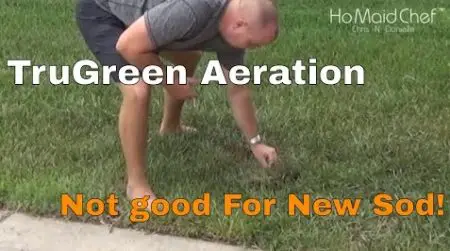
However, as we learned today, mechanical aeration and brand-new sod don’t always mix well. Here is the technical breakdown of how the process works and what happened with our newly laid sections.
The Investigation: How Core Aeration Works
The primary goal of aeration is to combat soil compaction, which is a major issue in Florida’s sandy but high-traffic yards.
- The Process: A machine pulls “plugs” or “cores” out of the earth. These aren’t just holes; they are physical removals of soil.
- The Benefit: By removing these cores, you create a direct pathway for water, oxygen, and nutrients to reach the root zone. It also breaks up the “thatch” layer (the organic buildup between the grass and the soil), which can harbor fungus if it gets too thick.
- The Result: We’re expecting this to significantly improve our drainage, especially with the heavy rains we have in the forecast.
The Project: The New Sod Setback
While the established St. Augustine grass handled the machine perfectly, our recently laid sod ran into some trouble.
- The Turn: The aeration machine is heavy and uses rotating tines. When the operator made a turn over the new sod, the machine’s traction and the downward force of the tines were enough to rip the unestablished pieces right out of the ground.
- Root Establishment: New sod needs several weeks of deep watering for the roots to “knit” into the existing soil. Because our sod was still relatively new, it didn’t have the structural integrity to withstand the torque of the aeration machine.
- The Fix: TruGreen has been great about the process and noted that if the grass doesn’t recover on its own, they will come out and repair the damaged spots. For now, we’ve just pressed the pieces back down to give them a chance to re-root.
The Logistics: Grass vs. HOA
As anyone in a neighborhood with an HOA knows, the pressure is always on to maintain a perfect lawn. Despite the minor setback with the sod, the overall health of the yard is the best it’s been in years. The dollar weeds are completely gone, and the thickness of the grass is finally reaching a level where it can outcompete future weeds naturally.
What’s Next?
We’ll be monitoring these aeration holes over the next few weeks to see how quickly they fill in. Typically, the cores left on top of the lawn will break down with the next few waterings, acting as a top-dressing of nutrients.
Watch the aeration process and the sod “incident” here: TruGreen Aeration Not Good For New Sod
When I’m not playing “lawn surgeon,” I’m busy updating the boat blog over at www.dininginwithdanielle.com. Danielle is still releasing new recipes weekly, and I’m slowly catching up on the technical writing for the Bayliner restoration.
Y’all please take care.